
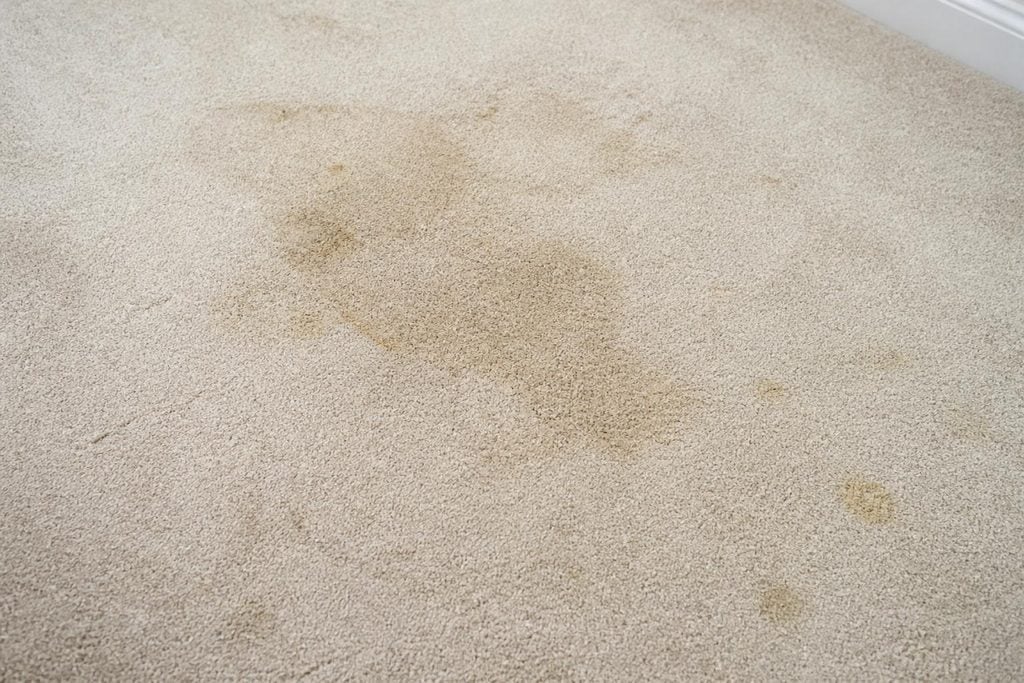
Yes, most old stains and yellowing can be removed or substantially lightened, provided the carpet fibres have not suffered irreversible chemical damage or permanent colour loss. The secret lies in identifying whether the discolouration stems from surface residue, fibre oxidation, or alkaline burn, and then applying targeted extraction methods rather than generic shop-bought foam cleaners.
Understanding What Causes Carpet Yellowing and Stubborn Stains
Old marks settle deep into carpet backing over time, while yellowing often results from specific chemical reactions rather than plain dirt. Highveld weather patterns also play a role, as alternating dry winter dust storms and humid summer thunderstorms drive airborne soils into the pile. Identifying the underlying cause dictates the exact chemistry needed to restore the pile:
- Browning from over-wetting, which happens when jute or cellulosic carpet backings remain damp for too long and wick lignin up to the surface tips.
- Alkaline detergent residue, caused by DIY carpet powders or spot removers that leave behind sticky salts with a pH that attracts dirt and turns yellow over time.
- Pet urine oxidation, where dried uric acid salts crystallise, bond with synthetic or wool fibres, and create stubborn dark yellow rings.
- Direct sunlight exposure and environmental oxidation, which degrade carpet protectants and break down light-sensitive dyes, especially in north-facing rooms.
How Age Affects Stain Removal Success Rates
Time is the primary enemy of carpet restoration. When a spill sits unattended, it transitions from a simple surface liquid into a chemically bonded stain. Spills containing tannins, food colourants, or animal fats undergo slow oxidation, physically altering the dye sites in nylon, polyester, and wool.
Synthetic Fibres Versus Wool Under Restoration
Polypropylene and solution-dyed nylon respond exceptionally well to corrective rinsing because their colour runs through the entire fibre extrusion. Wool, on the other hand, is an organic protein fibre that demands strict pH balance; excessive heat or harsh alkaline cleaners will scorch wool fibres permanently yellow. Understanding fibre composition helps technicians select deep carpet cleaning methods for stubborn stains in Johannesburg that loosen embedded particles without scorching the material.
Proven Methods for Reversing Yellowed Fibres and Old Marks
Eliminating aged stains requires precise chemical reversal rather than aggressive scrubbing, which only frays delicate yarn tips. Professional stain reversal relies on a controlled, multistep protocol:
- Application of an acid-rinse neutraliser to counteract high alkalinity and immediately reverse cellulosic browning.
- Enzymatic treatment to digest ancient protein bonds, dried milk, blood, and pet deposits at the molecular level.
- Oxidising agents specifically formulated for carpet to gently lift yellow plant tannins, coffee rings, and red wine residues.
- High-temperature hot water extraction using industrial truck mounts to flush out dissolved contaminants from the backing without over-saturating the underlay.
Thorough extraction does more than just brighten dull fibres; stripping away years of trapped dander and degraded organic materials directly impacts how professional carpet cleaning in Johannesburg improves indoor air quality across your living spaces.
When a Carpet Cannot Be Fully Restored
While specialised chemistry achieves remarkable results, certain scenarios cause permanent fibre degradation that cannot be washed away. Knowing the difference protects you from spending money on treatments that cannot reverse permanent structural damage:
- Bleach or chemical dye loss, where household disinfectants or acne treatments have stripped away the original factory colour pigments.
- Heat friction damage, where dragging heavy furniture has melted synthetic fibres, creating permanent brownish-yellow sheen patterns.
- Severe sun fading, which permanently bleaches dye molecules beyond the reach of topical spot treatments.
- Decades-old pet accidents that have degraded carpet underlay and rotted backing latex completely.
Before commissioning treatment for large open areas, review how much carpet cleaning costs in Johannesburg so you can weigh restoration against replacement options with clear figures.
Professional Carpet Cleaning With Carpet Cleaning Central
Carpet Cleaning Central brings advanced fibre diagnostic tools and specialised pH neutralisers directly to homes and offices across Johannesburg. Our technicians assess fibre integrity on-site, test pH levels, and deploy hospital-grade hot water extraction systems that lift ancient marks without soaking your subfloors. Click the button below to restore colour, texture, and freshness to your flooring.
FAQs
Can yellow stains from pet urine be completely removed?
Fresh and moderate urine deposits can usually be removed completely. Very old deposits require sub-surface acid extraction to dissolve dried salt crystals and special oxidisers to neutralise the yellow pigment. If the acid has bleached the carpet dye, spot-dyeing or a minor carpet repair patch may be necessary.
Why did my carpet turn yellow after DIY spot cleaning?
Most supermarket spot cleaners have a high alkaline pH. If you do not completely extract the detergent, the residue attracts soil and causes cellulosic browning. A dedicated acidic rinse neutralises the alkalinity and typically reverses the yellow tint quickly.
Will steam cleaning make old stains worse?
Hot water extraction will not worsen stains if performed properly with correct pre-treatments. However, applying high heat to untreated protein or tannin stains without the right corrective solutions can cook the stain into the fibre, which is why professional chemical balancing before extraction is vital.
How long does it take for carpets to dry after stain correction in Johannesburg?
In Johannesburg dry winter conditions, carpets typically dry within two to four hours. During humid summer months or after heavy rain, drying times can extend to six hours. Using industrial air movers and adequate ventilation speeds up the process significantly.